

Continuous education is an important part of any professional investor’s career, particularly as times change so rapidly. Climate change has become the biggest issue facing investors, but what it means for portfolios and the transition to a lower-carbon world is less clear.
What challenges (and opportunities) will it bring? And why should we act now? Not knowing the answers to these important questions has put some financial professionals at a disadvantage in being able to explain it to clients and colleagues.
This module bridges that gap. Those participating in this course are invited to digest the information and then take the test at the end. To enhance the learning experience, the module is delivered using clear language, charts, a video and case studies. Each of the nine chapters takes around 15 minutes to read.
A score of at least 12 out of 15 correct answers (80%) for the test will count as up to two hours towards your professional CPD requirements. The educational module is already accredited by local and global institutes, including the CFA Institute, EFPA, CII, CISI, FPA, IBF and FPSB, with more to follow.
The CFA Institute allows its members the ability to self-determine and self-report professional learning credits earned from external sources. CFA Institute members are encouraged to self-document such credits in their online
PL tracker.
Good luck!
Robeco
- 01
What is global warming and climate change?
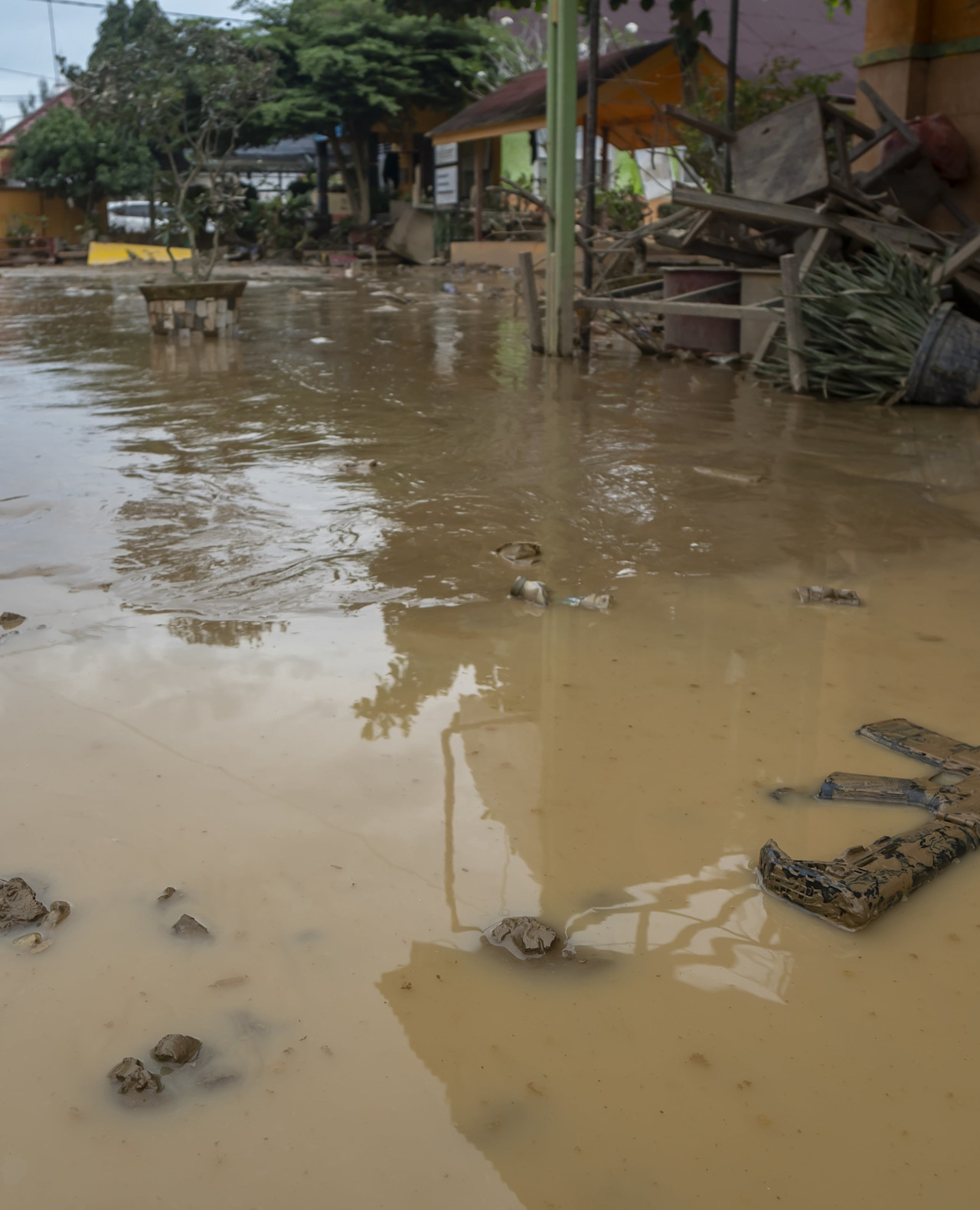
Climate change caused by rising levels of CO2 in the atmosphere is seen as the greatest threat facing humanity.
Learning objectives
How global warming causes life-threatening climate change
The momentum built by international protocols since the 1980s
The Paris temperature goals and the IPCC emissions targets
- 02
Using net zero pledges to combat climate change
Climate change can only be mitigated by reducing greenhouse gas emissions, which has led to national carbon targets and net-zero pledges.
Learning objectives
How emissions cuts are vital to achieve the Paris goals
Why national targets won’t plug the growing emissions gap
How investors have faced a backlash against ESG and net zero
- 03
Why climate change is relevant for investors
Climate change is an issue of ‘double materiality’ for investors, presenting both transition risks and opportunities that require pathways for change.
Learning objectives
Where the transition risks and opportunities lie specifically
The significant transition investment opportunities
Why Paris alignment can help meet these goals
- 04
The obstacles to decarbonization
Decarbonizing a world that still relies on plentiful fossil fuels is not easy, while issues such as low carbon pricing and deforestation remain obstacles.
Learning objectives
The uphill struggle in replacing coal, oil and gas with renewable energy
How carbon pricing is too low and not widespread enough to work yet
The high cost of infrastructure and lack of political will are impediments
- 05
What are the opportunities?
The biggest risk for investors in climate change lies in not identifying the opportunities, while moving to a lower-carbon economy will produce many winners.
Learning objectives
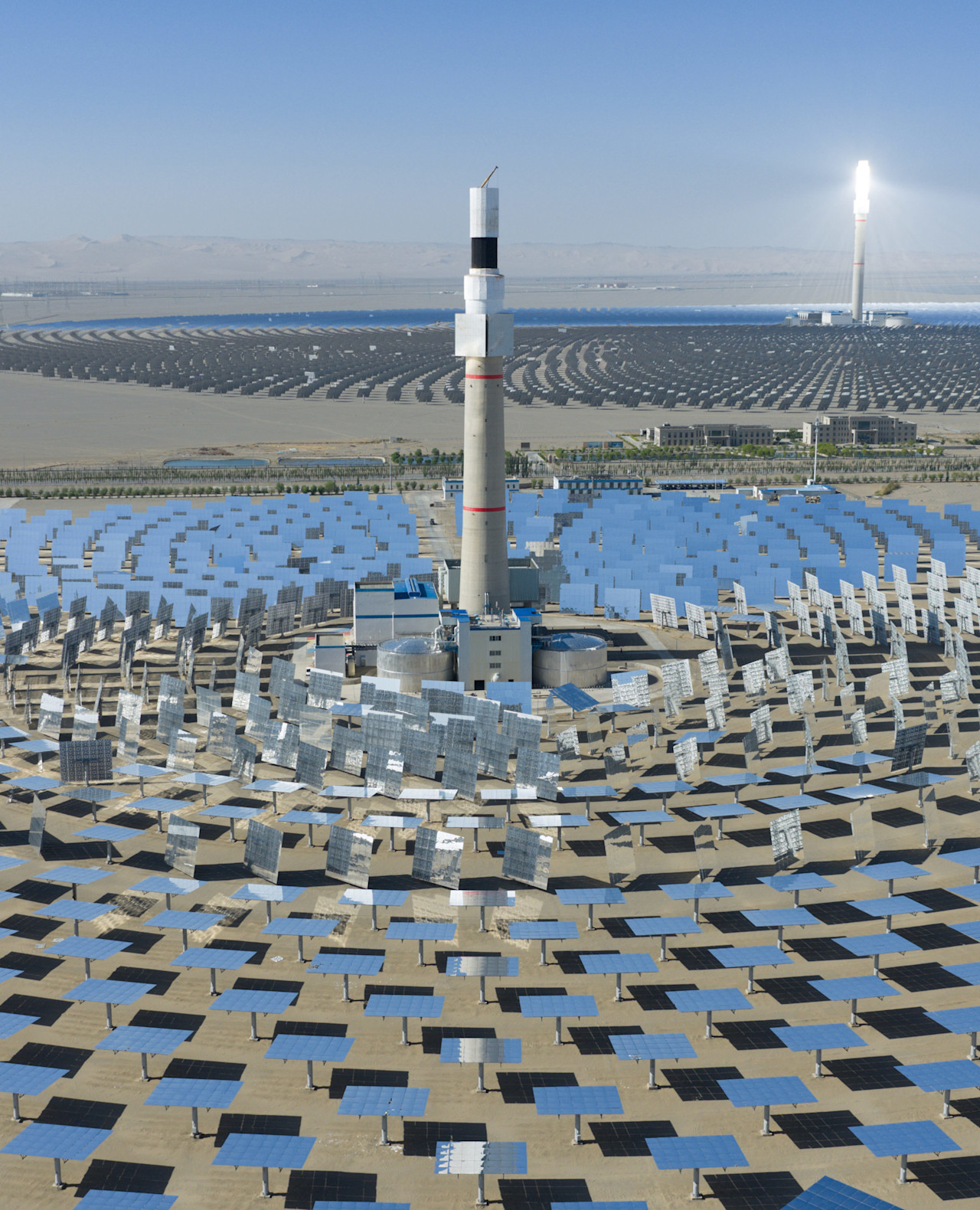
How renewable energy offers the crown jewels in decarbonization
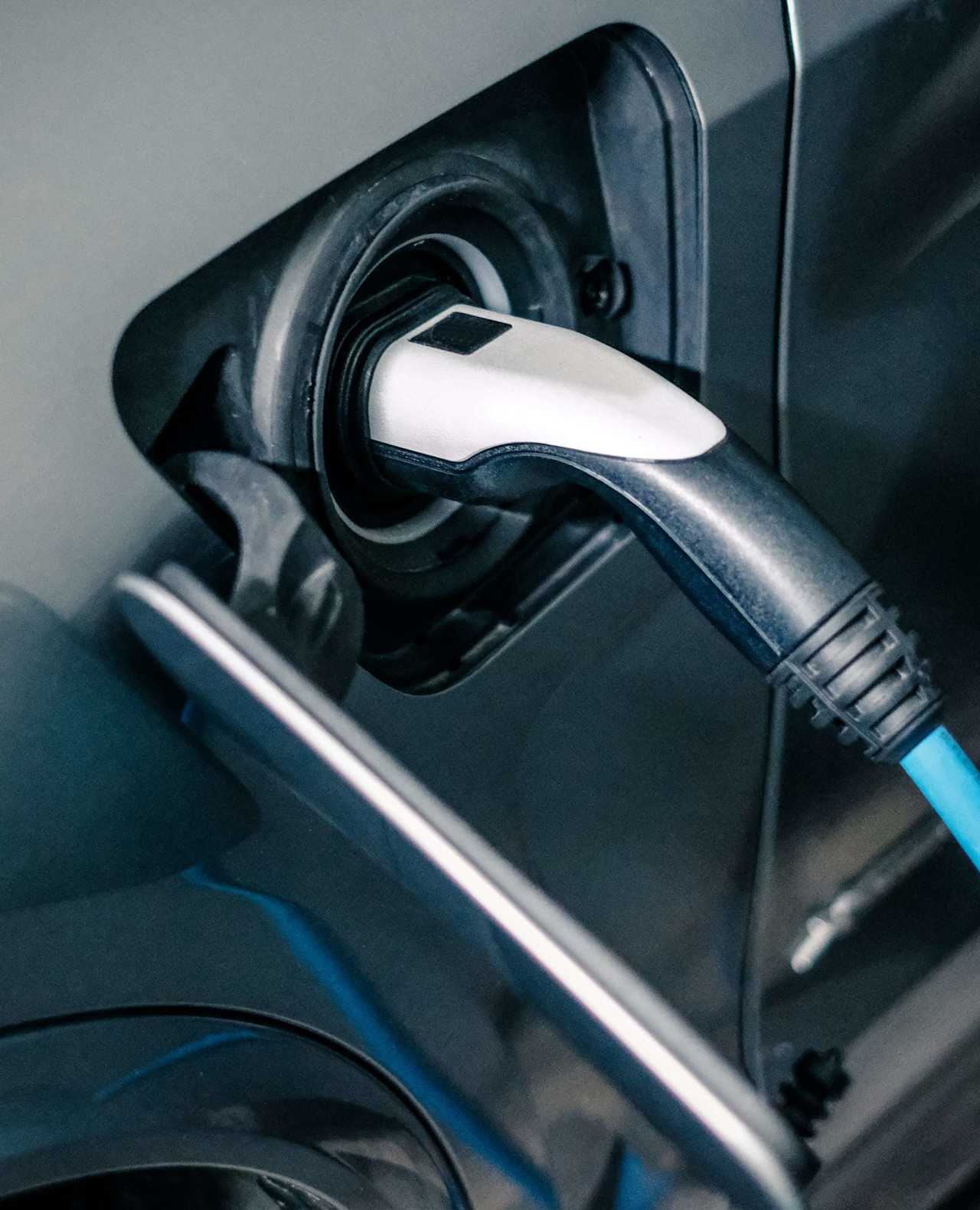
How the rise of electric cars is part of a wider electrification drive
Why green hydrogen is a solution, but carbon capture remains expensive
- 06
The role of investors: A fiduciary responsibility to decarbonize?
Investors can play a huge role in assisting the low-carbon transition, through their ability to allocate money including through transition finance, and by using active ownership.
Learning objectives
The need to steer capital toward companies committed to decarbonization
The role being played by direct climate finance and transition finance
How active ownership and collaborative engagement can effect change
- 07
Climate investing solutions
There are many ways to invest in solutions to combat global warming, from thematic investments to more bespoke climate funds.
Learning objectives
How themes such as renewables and electrification are attracting cash
The rise of impact investing, green bonds and environmental investing
A new wave of climate strategies that follow specific benchmarks
- 08
Case studies for countries, sectors and companies
The transformation needed to combat climate change has already begun, and can be seen on a national, sectoral and corporate level.
Learning objectives
How two countries have become world leaders in renewables
The changing face of carmakers as electrification takes hold
Engagement successes that are weaning utilities off fossil fuels
- 09
Summary
In this final chapter, we summarize the main points of what we have learned so far:
The test
Now that you’ve learned the basics of climate investing, it’s time to test your knowledge. Below are 15 multiple-choice questions on the nine chapters you have completed. Click on the box that you think contains the correct answer. If you answer 12 or more questions correctly, you will be awarded up to two hours of CPD.
Good luck!