Investment Writer
Get the latest insights
Subscribe to our newsletter for investment updates and expert analysis.







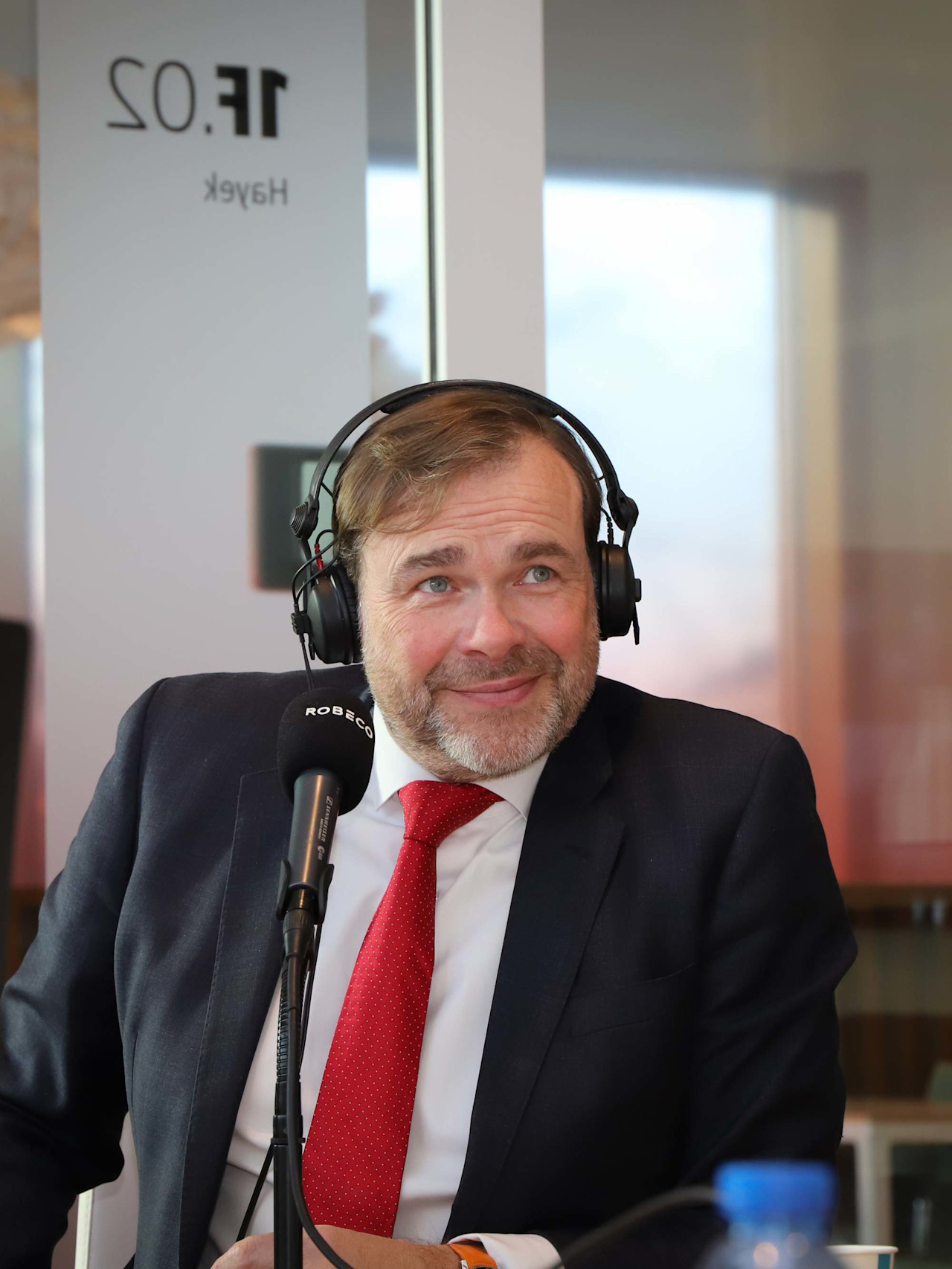
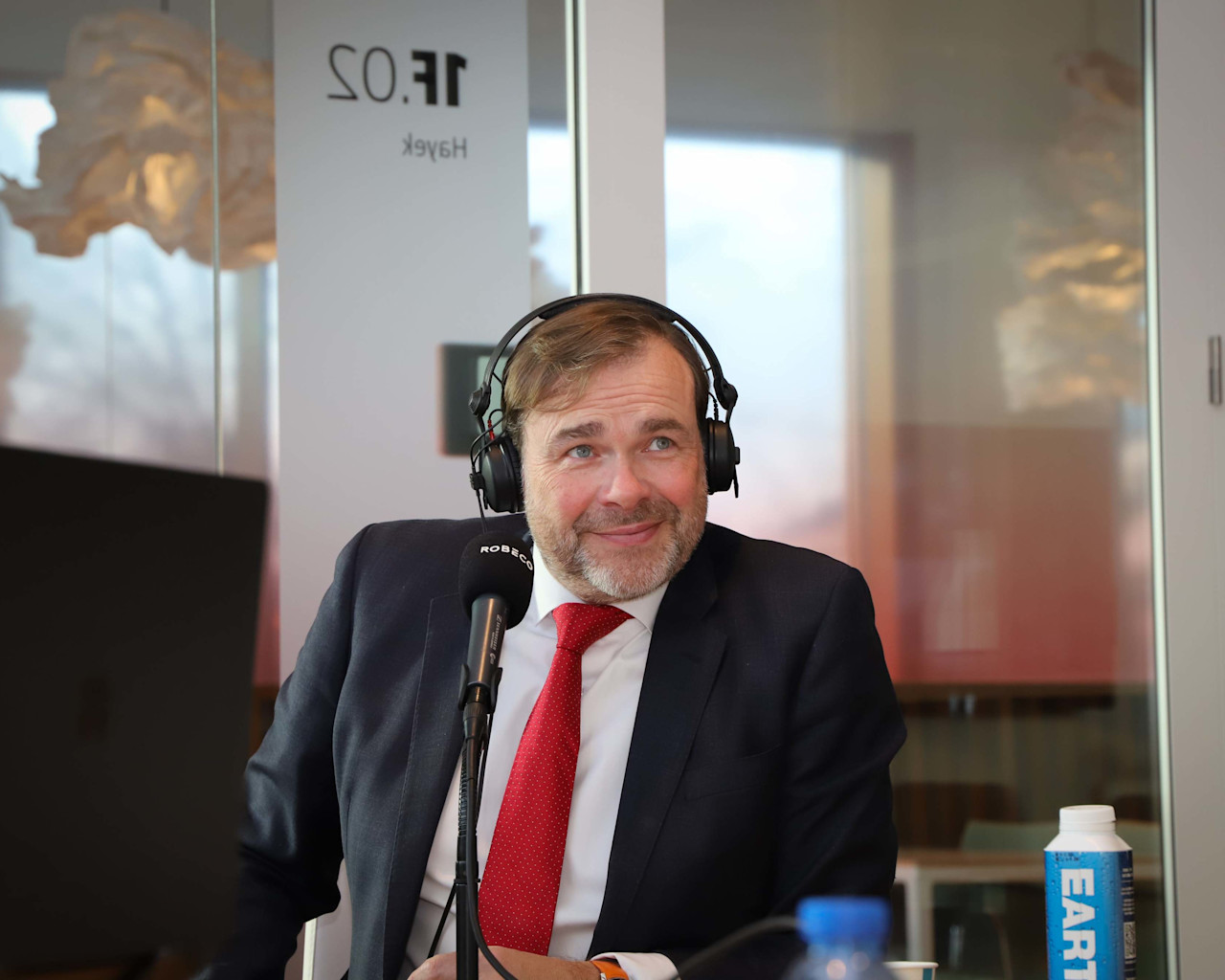
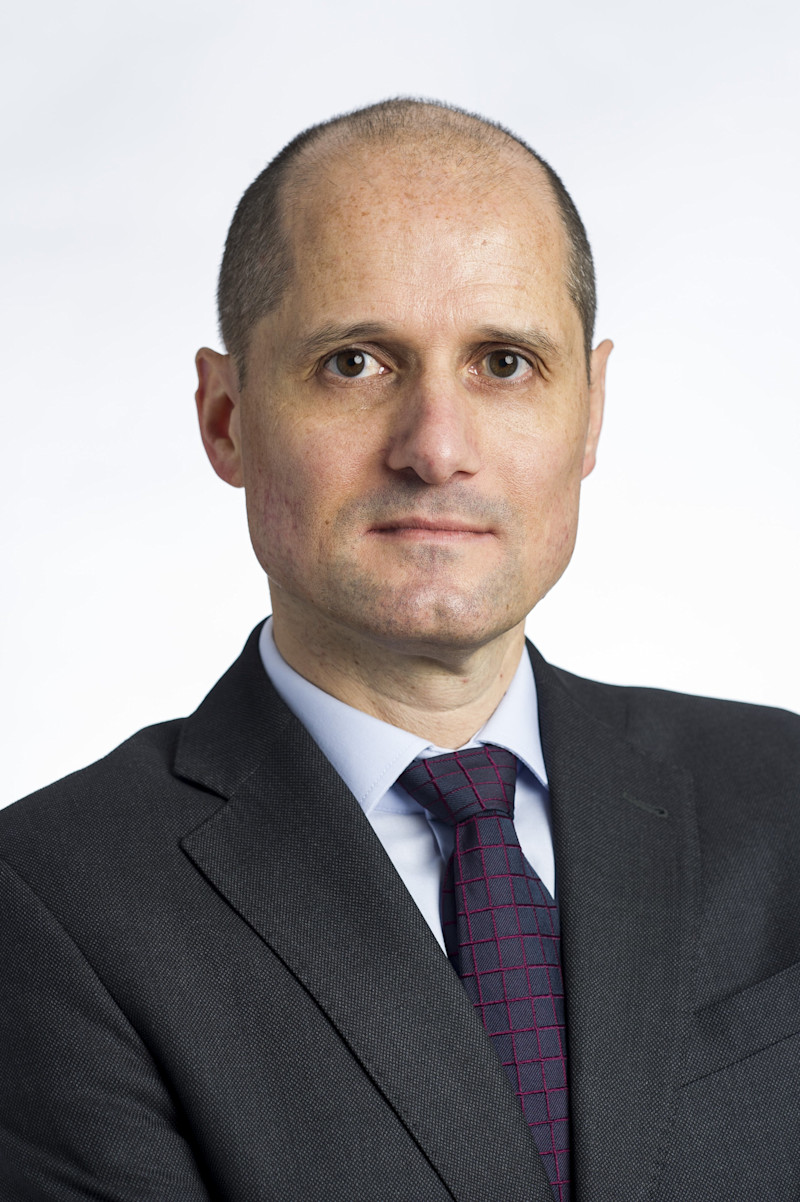
Sander Bus has managed Robeco’s high yield bond portfolio since 1998, steering it through countless market cycles and shocks over more than two decades – together with Robeco’s seasoned high yield team.
When we speak, it’s almost a week after Trump’s ‘Liberation Day’ speech and markets are in freefall. Trade wars have erupted, and economists are scrambling to make sense of it all.
Yet, as Sander points out, this kind of volatility plays to the strengths of a high yield strategy with a low-risk, quality tilt. He breaks down the key alpha drivers for high yield in 2025 and why, despite the turbulence, it still deserves a place in investor portfolios – especially now.
“The first important driver will be regional allocation, so the fact we are overweight European high yield and underweight US high yield will benefit our position. Europe is outperforming, and I expect this to continue because the US is shooting itself in the foot. The risk of a US recession – or even stagflation scenario – should not be ruled out and this is not the case in Europe. The US loses trade with all its trading partners, whereas Europe mainly loses the US but can still trade with other countries and continents like Asia.”
“The second driver is dispersion. Quality and low-quality credits will drift apart. Lower-quality names, such as triple Cs – which we are structurally underweight – will be hit by lower growth, potentially higher spreads and refinancing challenges which will create more defaults. Our overweight stance in higher-quality names should help relative performance, as higher spreads do not always mean higher returns, especially when defaults occur. Spread is not the same as return – something that becomes clear in volatile periods. As quant research has shown, lower-spread names can deliver higher returns in the high yield universe.
Spread is not the same as return – something that becomes clear in volatile periods Sander Bus

“The third driver is the financials versus corporates positioning. We are overweight financials, which tend to be more domestically focused and shielded from international tariff issues, because they primarily lend to small and medium-sized enterprises (SMEs) within their own country.”
“Additionally, issuer selection is critical – especially during downturns – and this distinguishes good from bad managers. All our analysts work toward issue selection on a daily basis.”
“Yes, last year we saw spreads generally decline, with high-spread names and CCCs outperforming. Due to our quality tilt, we had a beta below 1, causing us to underperform during such rallies.”
“But our strategy is designed to outperform in the kind of volatile environment we are now heading into by maintaining an overweight position in higher-quality issuers like BBs and Bs and staying structurally underweight in riskier, lower-quality segments like CCCs.”
“Things are moving very quickly at the moment. As contrarian investors, that’s where we see value – even if the macro backdrop feels uncertain. We’ve gradually increased the portfolio’s credit beta toward 1.0, mainly through CDS indices like CDX while maintaining our quality approach. CDS indices are highly liquid and tend to move quicker than the cash bond market, especially at the start of a sell-off. That gives us a way to add credit risk early on, before the cash market fully catches up. It’s a flexible approach that helps us stay ahead in fast-moving markets.”
“Valuations were cheaper in Europe at the beginning of this year, although now they’re more in line with the US. I think Europe's fundamental outlook has relatively improved because the outlook in the US has clearly deteriorated. And fiscal spending in Europe, particularly in the defense sector, can soften the blow of tariffs.”
Subscribe to our newsletter for investment updates and expert analysis.
“I think the nice thing about high yield is that it always has two components: the spread and the yield. In a recession, what typically happens is that government bond yields fall, while credit spreads widen. These two effects can partially offset each other, which helps cushion the impact on overall returns. However, there is a risk that this dynamic might change when people lose trust in Treasuries.”
“We don’t take active duration bets – we keep our duration closely aligned with the benchmark. But we do watch interest rate forecasts carefully, as they are relevant for the funding rates for companies.”
“We’re moving toward higher spreads, which historically offer better entry points. At the same time, higher spreads mean investors are better compensated for credit risk, which improves the potential for future total returns. Over the last few years, spreads have been relatively low, making the current move toward higher spreads more attractive for future potential returns.
Additionally, markets always lead the real economy, meaning that even if a recession is anticipated, it can quickly be priced in, limiting further downside and making this an opportune moment to enter.”
“Having this perspective allows investors to look through short-term volatility and recognize valuable entry moments; this is a critical message for investors to consider.”
THIS WEBSITE IS SOLELY INTENDED FOR PROFESSIONAL INVESTORS, WHICH HAS THE MEANING ASCRIBED TO IT IN THE SECURITIES AND FUTURES ORDINANCE (CAP. 571 OF THE LAWS OF HONG KONG) AND ITS SUBSIDIARY LEGISLATION. Investment involves risks. Past performance is not indicative of future performance. The information contained in this website is provided for reference only and does not constitute investment advice or an offer or solicitation to buy or sell in any securities or to adopt any investment strategy. Investors should not base their investment decisions solely on the information provided on this website and are advised to seek independent advice (including advice on tax implications) before making any investment decisions. Investors should ensure they fully understand the risks associated with the investment products and should also consider their own investment objectives and risk tolerance level. The investment decision is yours. You should not invest unless the intermediary who sells you the investment products has advised you that it is suitable for you and has explained how it is consistent with your investment objectives. Please refer to the relevant offering documents or other legal documents for further details including the risk factors. This website is published by Robeco Hong Kong Limited which is regulated by the Hong Kong Securities and Futures Commission (“SFC”) (CE No. APU851). This website has not been reviewed by the SFC. No assurance can be given that the investment objective of any investment products will be achieved. No representation or promise as to the performance of any investment products or the return on an investment is made. The value of investments may fluctuate. Past performance, projections, or forecasts included in this website should not be regarded as guarantees or indications of future performance, and no express or implied warranty is provided. The contents of this website are based on sources believed to be reliable, but due to the nature of information delivery technology and the necessity of using multiple data sources, including third party content, their accuracy is not guaranteed. The opinions expressed are as of the date shown above and may change as market conditions evolve, and are subject to change without notice. These opinions may differ from those of other Robeco investment professionals. Robeco accepts no liability for any direct, indirect, or consequential loss arising from the use of this material or any comments, opinions, or estimates contained herein. Robeco has no duty to update this website or any website content. Materials on this website may not be reproduced, distributed, or published without prior written permission from Robeco. Unless otherwise specified, Source: Robeco.
Warning – Fraudulent use of Robeco on websites and social media Read more